Chinese Traditional Architectural Craftsmanship for Timber-framed Structures
Introduction
Chinese Traditional Architectural Craftsmanship for Timber-framed Structures represents a time-honored tradition of carpentry and construction that has evolved over thousands of years. This architectural style is prominent in various historical and cultural landmarks across China, such as the Suzhou gardens, Beijing quadrangles, Xidi and Hongcun villages, and the Cai-Clan traditional residential buildings. The craftsmanship involves the use of wooden frames combined with materials like soil, brick, tile and stone.
At its core is the distinctive use of tenon joints, a feature that provides these structures with flexibility and resistance to earthquakes. This intricate form of construction is not only an exemplar of architectural expertise but also a reflection of the cultural heritage and wisdom passed down through generations. It was inscribed on the UNESCO's Representative List of the Intangible Cultural Heritage of Humanity in 2009.
Historical Background
Origins
The origins of Chinese timber-framed structures can be traced back to ancient times, with archaeological evidence of their existence dating back approximately 7,000 years. The Hemudu site in Yuyao, Zhejiang province, is one of the earliest known examples of this building style, where numerous wooden components featuring sunmao (mortise and tenon) structures were discovered.
This technique, characterized by the interlocking of convex tenons and concave mortises, forms the backbone of these wooden architectures, providing both stability and flexibility. The roots of this architectural form stretch back to the Shang and Zhou dynasties (c. 16th century-256 BC), highlighting a long tradition of skilled carpentry that has developed into a comprehensive system involving material selection, structural planning and assembly.
Evolution Over Time
Over the centuries, Chinese timber-framed architecture has evolved, adapting to various regional styles while retaining its core principles. The craftsmanship saw significant advancements during the Ming (1368-1644) and Qing (1644-1911) dynasties, where it reached new levels of sophistication. The Forbidden City in Beijing, known for its magnificent palaces and temples, stands as a testament to the grandeur and technical prowess of Chinese timber-framed architecture. The style has been constantly refined, incorporating regional aesthetic preferences and functional requirements. Despite the changes, the fundamental tenon and mortise technique has remained a constant, symbolizing the enduring legacy and resilience of this architectural form.
Architectural Features
Design Principles
Chinese timber-framed architecture is guided by a set of design principles focused on harmony and balance with nature. The structures are often designed to integrate seamlessly into their surrounding environment, reflecting the traditional Chinese philosophy of harmonious coexistence with nature. This is achieved through the careful selection of building locations, orientations, and the materials used. The architectural layouts are often symmetrical, embodying a sense of order and balance, with an emphasis on aesthetically pleasing proportions and forms that facilitate natural light and ventilation.
Structural Components
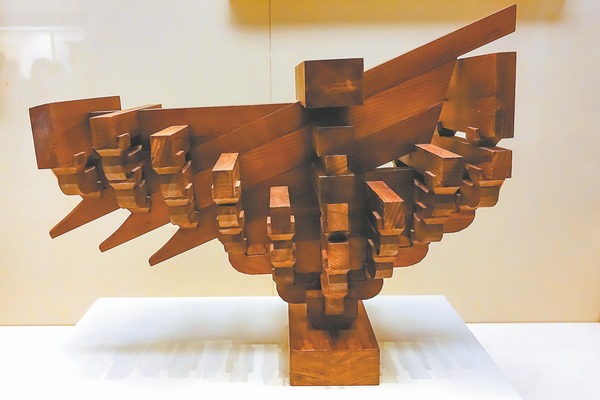
The primary structural components of Chinese timber-framed buildings include columns, beams, purlins and the iconic dougong (interlocking brackets). These elements work together to form a stable, yet flexible framework capable of withstanding environmental stresses. The sunmao joints are a defining feature, allowing for the easy assembly and disassembly of the structure, which enhances its adaptability and resilience. The columns and beams are meticulously crafted from selected timber, ensuring durability and strength. The dougong, with its complex interlocking pieces, not only contributes to the structural integrity but also adds an ornamental aspect, showcasing the exquisite craftsmanship involved.
Techniques and Craftsmanship
Wood Selection and Preparation
The selection of wood is a critical aspect of Chinese timber-framed construction. Craftsmen have developed a deep understanding of various wood types, selecting those that offer the best balance of strength, flexibility and resistance to environmental conditions. Once selected, the wood undergoes a preparation process that includes drying, shaping and treating to enhance its durability. This meticulous preparation ensures that the timber can withstand the test of time while maintaining its structural integrity.
Joinery Techniques
Joinery techniques, particularly the use of sunmao, are central to the craftsmanship of Chinese timber-framed architecture. Over a hundred variations of sunmao joints have been identified, each serving a specific function within the structure. These joints allow for the seamless connection of wooden components without the need for nails or adhesives. The precision and skill required to execute these joints are a testament to the expertise of Chinese craftsmen, who have honed these techniques over centuries.
Ornamentation
Ornamentation in Chinese timber-framed architecture serves both decorative and symbolic purposes. Intricate carvings and motifs adorn the structural components, often depicting elements from nature, mythology or cultural symbols. These embellishments not only enhance the aesthetic appeal of the buildings but also reflect the cultural and spiritual beliefs of the people. The craftsmanship involved in creating these ornaments is highly regarded, requiring artisans to possess exceptional skill and creativity.
Cultural Significance
The design of Chinese timber-framed architecture is imbued with symbolism, reflecting the cultural values and beliefs of traditional Chinese society. The layout and orientation of buildings often adhere to principles of feng shui, aiming to achieve balance and harmony with the environment. Architectural elements are frequently imbued with symbolic meanings; for instance, the use of specific colors, numbers, and motifs can represent prosperity, longevity or protection from evil spirits. This symbolic richness enhances the cultural depth of these structures, making them more than mere functional spaces.
Chinese timber-framed architecture has exerted significant influence on neighboring cultures, contributing to the architectural heritage of the world. The techniques and design principles have been adopted and adapted in countries such as Japan and Vietnam, where similar timber-framed structures can be found. Architects around the world draw inspiration from the elegance and ingenuity of Chinese timber-framed structures, adapting these concepts to create innovative and ecologically sensitive buildings.
Preservation and Conservation Efforts
Preserving Chinese timber-framed structures presents several challenges, primarily due to the vulnerability of wood to environmental factors such as moisture, pests and decay. The traditional craftsmanship, while celebrated for its beauty and ingenuity, also requires specialized skills that are becoming increasingly rare in the modern world. The need for conservation is further compounded by urbanization and modernization, which often prioritize new construction over the preservation of historical sites.
Modern restoration techniques aim to address the challenges faced in conserving Chinese timber-framed architecture. These techniques often involve a combination of traditional craftsmanship and contemporary technology to ensure the structural integrity and aesthetic authenticity of the buildings. Techniques such as anastylosis, where original materials are used to reconstruct damaged sections, and the use of protective coatings to prevent decay, are employed to safeguard these cultural treasures. The integration of modern engineering solutions, such as seismic retrofitting, further enhances the resilience of these structures, enabling them to withstand natural disasters.








